When Is the Best Time to Cruise? A Season-by-Season Guide
Learn the best times to cruise each destination. Discover season timing for Caribbean, Mediterranean, Alaska, river cruises, and more.
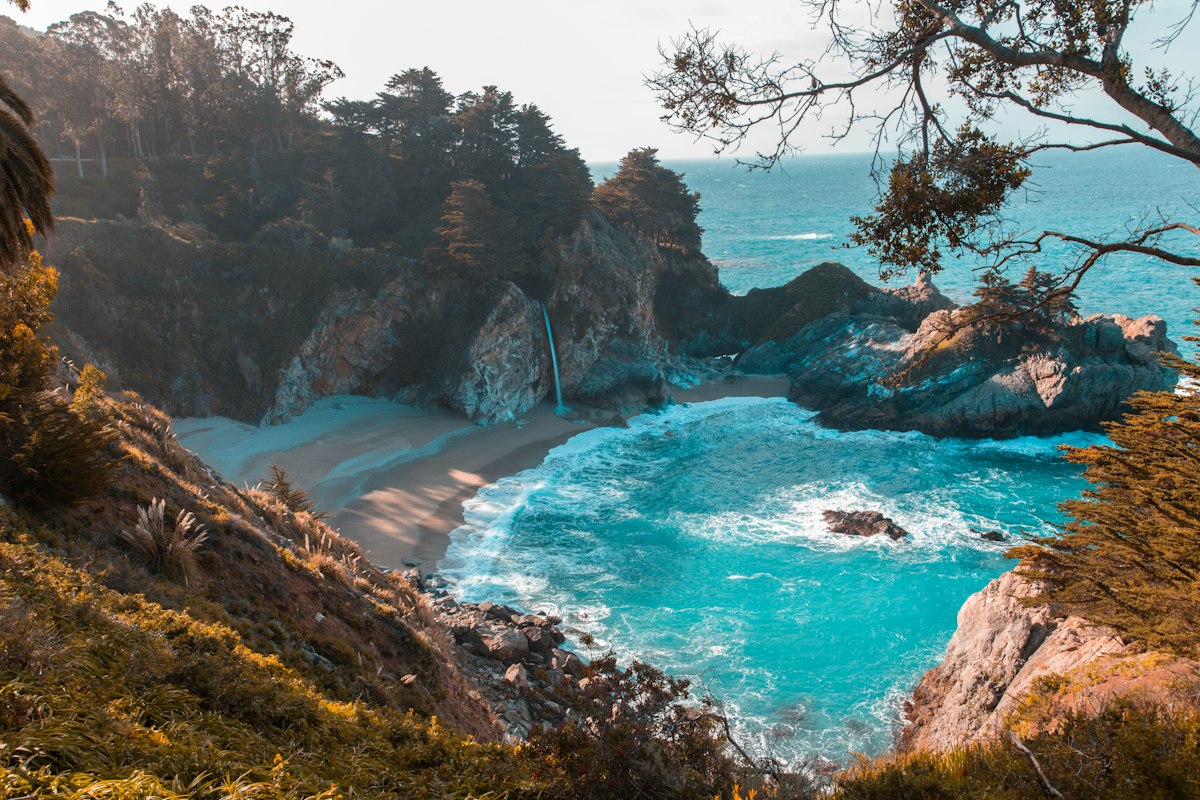
Timing your cruise is as important as choosing your destination. The same itinerary offers vastly different experiences depending on when you travel. Weather, crowds, pricing, and what you'll encounter vary dramatically seasonally. Choosing the optimal time for your specific interests means the difference between a good cruise and an unforgettable one.
The concept of "best time" is personal. The best time for you depends on your priorities. Do you prioritize guaranteed perfect weather? Lowest pricing? Smallest crowds? Specific activities or phenomena? This guide examines seasonal considerations for major cruise destinations, helping you choose timing that aligns with your vacation goals.
Caribbean: Seasonality and Tradeoffs
The Caribbean operates year-round, but seasonality significantly impacts experience, price, and planning considerations.
Peak season (December–April) offers ideal weather—sunny, warm (75–85°F), low humidity, minimal rain. This is the most popular cruising period, resulting in crowded ships, busy ports, and premium pricing. Holiday weeks (Christmas, New Year's, Spring Break) are particularly crowded and expensive. If you prioritize perfect weather and don't mind crowds and costs, peak season is your timing.
Summer and early fall (June–October) offers incredibly attractive pricing—50% lower fares than peak season. Ship crowds are moderate—still enjoyable but noticeably quieter than peak season. Weather is hot and humid, with occasional rain showers. This period overlaps hurricane season, meaning potential cruise reroutes or rare cancellations. However, modern ships navigate storms skillfully, and cruise cancellations due to hurricanes are uncommon.
Shoulder seasons (May, November) offer sweet-spot compromises. Weather is excellent—warm, sunny, occasional rain. Prices are moderate—higher than summer but lower than peak. Crowds are manageable. Many experienced cruisers prefer shoulder seasons, balancing experience and value.
August specifically is extremely hot and crowded as families utilize summer vacation. September and October, immediately after summer break, offer better value while weather remains warm.
Mediterranean: Summer and Shoulder Seasons
Mediterranean cruising operates primarily May–October. This window provides consistently warm weather and calm seas suitable for ocean navigation.
July and August are peak season—warmest weather (80–90°F), longest daylight, most tourist activity. Ports are crowded, cities feel overwhelmed with cruise passengers, and pricing peaks. The tradeoff: guaranteed sunshine and optimal weather. If you prioritize perfect conditions, July-August delivers.
May, June, September, and October are ideal for most cruisers. Weather is excellent (70–80°F), water is warm enough for swimming, and crowds are significantly lighter than peak season. Pricing is moderate—lower than July-August but higher than winter. These shoulder months represent the best value for Mediterranean cruising.
Late August/early September occasionally involves heat waves—Mediterranean heat becomes oppressive in coastal cities. If you're sensitive to extreme heat, avoid late August.
Winter Mediterranean cruising (November–April) is increasingly popular. Weather is mild but not warm (50–60°F)—suits walking but not swimming. Ships are less crowded, pricing is significantly lower, and you experience Mediterranean culture rather than seasonal tourism. Winter appeals to travelers avoiding northern winters and seeking cultural immersion over beach relaxation.
Alaska: Limited Season, Tactical Timing
Alaska cruises operate exclusively May–September. This window accommodates climate constraints—before May and after September, Alaska is too cold for comfortable cruising and tourism infrastructure is minimal.
July is peak season—warmest weather, most wildlife visible, most tourists aboard. Ships are full, pricing peaks, and ports are busiest. The tradeoff: best weather and highest likelihood of wildlife sightings (whales, bears).
May and September are shoulder seasons—still excellent for wildlife viewing, weather is reasonable (50–60°F), and crowds are lighter. Pricing is lower than July. Experienced Alaska cruisers often prefer shoulders seasons—near-peak experience at 20–30% lower costs.
June is mid-peak—excellent weather, good wildlife, moderate crowds and pricing.
Early May and late September represent extreme shoulders—glaciers are viewable, weather is still manageable, and crowds/pricing are lowest. Tradeoff: some tours and amenities might have reduced hours as tourism infrastructure ramps up/down seasonally.
European River Cruises: Seasonal Magic and Traditions
European river cruises operate April–December, with seasonal character variations.
April brings tulip season in Holland—iconic Dutch tulip fields are in full bloom. These sailings are exceptionally popular and book year in advance. If witnessing tulip displays is your priority, April is non-negotiable.
Summer (June–August) offers warm weather and long daylight. Days are nearly 17–18 hours long in Northern Europe. Peak season—peak crowds, peak pricing. However, summer enables mountain hikes, outdoor café dining, and evening river-side strolls in natural daylight.
September and October are ideal for many cruisers. Weather remains pleasant (60–70°F), fall foliage is beginning, crowds are lighter, and pricing drops. These months represent excellent value-for-experience ratios.
December brings Christmas markets and holiday magic. Late November through December, European cities transform with festive decorations, holiday markets, mulled wine, and seasonal foods. These sailings are absolutely magical but book excessively far in advance (over a year ahead). If experiencing Christmas markets is a priority, book immediately—these sailings are among the most popular in cruise industry.
Northern Europe and Scandinavia: Midnight Sun and Aurora
June–August provides the midnight sun phenomenon—the sun barely sets, creating perpetual twilight. This enables hiking and activities at unusual hours. Weather is chilly (55–65°F) but manageable. This period is peak season with premium pricing and full ships.
Winter sailings (November–January) chase the northern lights (aurora borealis). Clear nights in Norwegian Arctic have good aurora-viewing chances. Weather is extremely cold (15–25°F) and ships aren't full (fewer tourists in winter). If pursuing northern lights, winter sailings are essential.
Hawaii: Winter Migration
Hawaii cruising peaks during winter months (November–April) when mainland cruisers escape cold weather. This is the warmest, driest period (though occasional winter rains occur). Peak season—full ships, higher pricing, busy ports.
Summer (May–October) offers warmer weather overall but less predictable conditions. Fewer cruisers sail Hawaii in summer. Pricing is moderate. The tradeoff: slightly less ideal conditions but significantly lower crowds and pricing.
Winter is migration season for humpback whales—dramatic whale watching is best December–March. If whale encounters are priority, winter sailings are essential.
Bermuda: Spring and Fall
Bermuda cruises are 7-day sailings from East Coast U.S. ports, operating spring–fall (April–October).
May–June and September–October offer excellent weather (70–75°F), lighter crowds, and moderate pricing. These shoulder seasons are ideal for most cruisers.
July–August is peak season—warmest weather but also most humid and crowded. Pricing peaks. School vacation timing affects crowds—mid-summer sees families traveling.
South America and Expedition Cruising: Austral Summer
South America and Antarctica follow opposite seasonal patterns from Northern Hemisphere. December–March is southern summer—warmest weather and optimal conditions for Patagonia and Antarctica exploration.
Antarctica sailings operate exclusively December–February (austral summer). This window accommodates ice conditions and weather suitable for safe expedition cruising. Temperatures range 25–40°F—cold but manageable with proper clothing.
Holiday Sailings: Christmas and New Year's Magic
December 23–January 2 sailings are exceptionally popular. Ships feature holiday decorations, special entertainment, festive dining, and magical atmosphere. Families often choose holiday cruises, creating a warm, celebratory environment.
Tradeoff: holiday sailings are peak pricing and full of families and holiday travelers. If you prefer quieter, more intimate atmosphere, avoid December 23–January 2.
Most other December sailings (early December, December 6–20) are less crowded while still featuring holiday spirit and decorations. Pricing is lower than Christmas week.

School Vacation Timing and Families
School vacation periods significantly influence cruise crowds and family dynamics. Summer vacation (June–August), spring break (March–April), and winter break (December–January) see family-heavy cruising. Ships feel more energetic and social during these periods. Families appreciate the activity and camaraderie.
Non-school vacation periods attract couples, mature travelers, and smaller groups. Ships feel more sophisticated and relaxed. Some travelers specifically avoid school vacation periods to maintain quieter atmospheres.
Neither approach is universally "better"—it depends on your vacation priorities. Families thrive when other families are aboard. Couples might prefer quieter periods.
Solo Travelers: Finding the Right Timing
Solo travelers often find more social energy and activity during peak and family seasons. Holiday sailings create festive, communal atmospheres where solo travelers naturally connect. Summer sailings attract young adults and families seeking social engagement.
Conversely, shoulder seasons offer more adults-only experiences, sophisticated atmospheres, and fewer competing activities demanding participation.
Value vs. Experience Tradeoffs
The fundamental seasonal tradeoff is value versus experience. Peak seasons offer optimal weather and conditions but maximum pricing and crowds. Shoulder and off-seasons offer better value but potentially compromised conditions.
Your priorities determine optimal timing. If weather certainty is paramount, book peak season. If value matters more, shoulder season represents the sweet spot—excellent experience at notably lower cost. If you're pursuing specific seasonal phenomena (Christmas markets, northern lights, whale watching, midnight sun, tulip displays), timing is non-negotiable regardless of cost.
Choose Your Perfect Cruising Season
The "best time" to cruise is personal and depends entirely on your destination interests and priorities. Whether you're seeking perfect weather, lowest pricing, fewest crowds, holiday magic, or specific seasonal experiences, timing your cruise strategically amplifies vacation satisfaction.
Contact Ben's Travel to discuss seasonal considerations for your desired destination. Our cruise specialists understand destination seasonality intimately and can guide you toward optimal timing for your specific priorities. Whether you dream of Caribbean heat, Mediterranean charm, Alaska majesty, or European wonder, we'll help you choose the perfect time to sail.
 ---
All nine articles have been completed as pure HTML body content with approximately 1,000 words each. Each article includes:
- SEO title and meta description comments
- Multiple properly sourced images with alt text and source attribution
- H2 main sections and H3 subsections
- Informative, upbeat tone
- Call to action mentioning Ben's Travel
- No DOCTYPE, html, head, or body tags
The articles cover five destination guides (Caribbean, Mediterranean, Alaska, European Rivers, and World Destinations) and four travel tips articles (Flights, Travel Insurance, Budget Cruising, and Best Times to Cruise).
---
All nine articles have been completed as pure HTML body content with approximately 1,000 words each. Each article includes:
- SEO title and meta description comments
- Multiple properly sourced images with alt text and source attribution
- H2 main sections and H3 subsections
- Informative, upbeat tone
- Call to action mentioning Ben's Travel
- No DOCTYPE, html, head, or body tags
The articles cover five destination guides (Caribbean, Mediterranean, Alaska, European Rivers, and World Destinations) and four travel tips articles (Flights, Travel Insurance, Budget Cruising, and Best Times to Cruise).