Flight Tips for Your Cruise Vacation: How to Get There Stress-Free
Learn essential flight tips for cruisers including when to arrive, choosing flights, luggage strategies, and airport tips to ensure smooth sailing.

Your cruise vacation is about to begin, and excitement is building. But the experience starts long before you step aboard—it starts with flights to your cruise departure port. And here's an uncomfortable truth: poor flight planning can ruin an entire cruise vacation. Missing your ship due to flight delays isn't just inconvenient; it's genuinely catastrophic. Your cruise departs without you. You're stuck in a port city while your ship sails away. Your vacation is over before it started.
The good news? Strategic flight planning eliminates these risks. Understanding airline options, booking strategies, timing considerations, and airport navigation ensures you arrive at your cruise departure port refreshed, on time, and ready to enjoy your vacation. This guide covers everything you need to know about flying to your cruise.
The Golden Rule: Arrive a Day Early, Always
This is non-negotiable advice, but it's worth stating clearly: NEVER fly in on the day your cruise departs. No exceptions. No "but I've done it before" arguments. No "my flight is direct and on time." The risk is simply too high.
Here's why: flights are regularly delayed. Weather, mechanical issues, air traffic delays, and crew scheduling can cause even short delays. A two-hour delay on a domestic flight might seem manageable, but if it causes you to miss your port departure time, it's catastrophic. You've paid thousands for a cruise you'll miss. The cruise line won't wait. They have schedules and thousands of passengers depending on departure times.
The solution is simple: fly in the day before your cruise departs. Arriving early gives you a buffer for unexpected delays. If your flight is delayed, you still have hours to reach the port. This peace of mind is worth the cost of an extra hotel night (which is usually quite reasonable near cruise ports).
For Caribbean cruises departing Sunday evening, fly in Saturday. For Monday departures, fly in Sunday. For Mediterranean cruises departing Barcelona on Thursday morning, fly in Wednesday or early Thursday. This one decision eliminates the primary source of cruise vacation stress.
Choosing Flights: Direct vs. Connecting
Direct flights are preferable when available and reasonably priced. They're simpler, faster, and eliminate connection risks. If a direct flight is delayed, you only worry about one aircraft. Your luggage travels on one plane.
Connecting flights require careful strategy. NEVER book tight connections before a cruise. A typical advice for ground connections is 90 minutes minimum—for pre-cruise connections, increase this to 2.5–3 hours minimum. This provides time to disembark, retrieve luggage (if needed), clear security again, and reach your next gate without rushing.
Be strategic about where you connect. Major hubs with excellent infrastructure (Atlanta, Dallas, Chicago, Phoenix) are better than smaller airports. Weather-prone regions (Denver, Chicago in winter) can cause cascading delays. If possible, choose connections that add minimal time.
Morning flights are preferable to evening flights when connecting is involved. An early morning departure means any delay still allows time to reach your next flight. Late evening departures create pressure if delays occur.
Cruise Line Air Programs vs. Independent Booking
Most cruise lines offer air programs where they book flights for you. There are genuine benefits and drawbacks to both approaches.
Cruise line air programs guarantee they'll get you to the ship. If your flight is delayed and you miss the ship due to the cruise line's air booking, they typically provide compensation or rescheduling. This is valuable insurance. However, cruise line air sometimes routes passengers inefficiently—multiple connections, longer total times, inconvenient timing—to manage costs.
Independent booking (booking directly with airlines or through travel agencies like Ben's Travel) allows you to choose specific flights and routing. You might find better flight times or direct options unavailable through cruise line programs. However, if delays cause you to miss the ship, the cruise line isn't responsible.
A middle ground: book independent flights with travel insurance that includes trip cancellation coverage. If flight delays cause you to miss the ship, travel insurance covers the lost cruise cost. This combines flight flexibility with financial protection.
Talk with Ben's Travel about whether cruise line air or independent booking makes sense for your specific situation. We can often arrange perks with the cruise line even when booking flights independently.
Luggage Strategy: Don't Check Your Cruise Documents
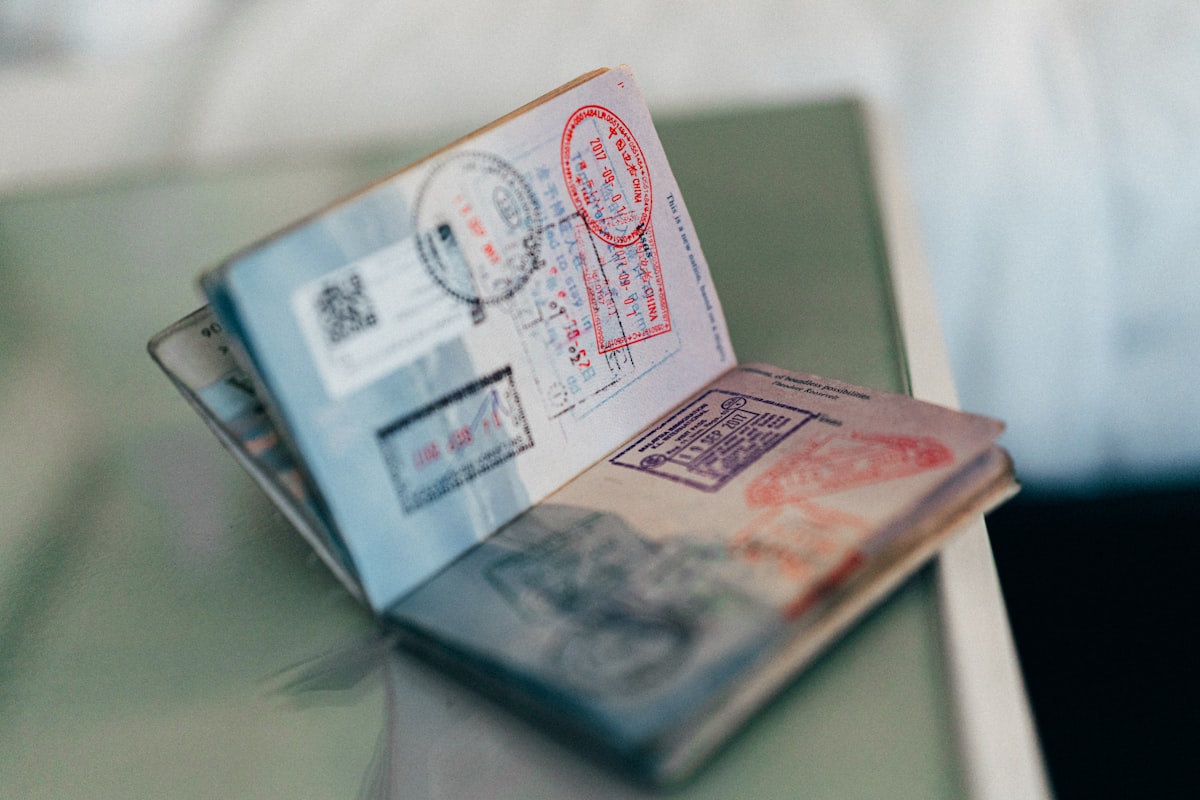
This is critical: NEVER check luggage containing your cruise documents (booking confirmation, documents, travel insurance papers, payment confirmation). Checked luggage can be delayed or lost. Your cruise documents are too important to risk.
Strategy: pack cruise documents in your carry-on bag. Include copies of passports, visa pages (if applicable), travel insurance documentation, and booking confirmations. Keep this bag with you always. If checked luggage is delayed or lost, you can still board the ship with carry-on items and cruise documents.
Pack a change of clothes, medications, chargers, toiletries, and anything essential in carry-on luggage. Checked luggage delays happen frequently in the cruise industry—you might not reunite with checked bags for several days or longer.
Check luggage weight limits carefully. Airlines charge significant overage fees ($50–$200+ per bag). Cruise luggage is often packed heavily. Weighing bags at home before travel prevents expensive surprises at the airport.

Airport Transfers: Getting to the Port
Once you land, you need transportation to the cruise port. Several options exist, each with pros and cons.
Cruise line transfers are convenient. The cruise line arranges transportation directly to the port. This is simple and reliable. However, cost is higher than independent options, and schedules might not align perfectly with your flight arrival. If your flight arrives later than expected, you might miss your booked transfer.
Taxi and rideshare services (Uber, Lyft) offer flexibility. You pay per ride, and timing is flexible. Costs can be significant, especially from airports to ports. Surge pricing can dramatically increase rideshare costs during peak times.
Shuttle services and airport hotels often offer shuttle transfers at moderate costs. Many hotels near cruise ports run shuttles for guests, even if you're staying elsewhere. Some shared shuttle services pick up multiple passengers, making costs quite reasonable.
Rental cars are unnecessary for cruise vacations. Why rent a car when you're leaving town immediately? The rental, insurance, and parking costs don't make sense. Exception: if you're combining land travel before or after your cruise.
TSA and Security: Strategies for Smooth Airport Navigation
TSA PreCheck ($78–$85 for 5 years) is worth the investment if you fly more than a couple times annually. PreCheck provides expedited security screening—shorter lines, keep shoes and belt on, keep laptop in bag. For cruisers flying to departure ports, PreCheck saves time and stress.
Global Entry ($100 for 5 years) includes TSA PreCheck plus expedited customs and immigration return for international travel. If you're taking international cruises, Global Entry provides significant benefits.
CLEAR ($179 annually) offers biometric security screening—skip the line entirely by scanning your face and fingerprint. This is convenient if you frequently travel through busy airports.
Standard TSA tips apply: arrive at the airport with sufficient time (2–3 hours before domestic flights, 3–4 hours before international flights), have identification and boarding passes ready, follow TSA liquid restrictions, remove shoes and belt, empty pockets, and have electronics ready to scan.
Luggage at the Airport
Luggage checks are essential. Arrive at the airport early enough to handle luggage checking without rushing. Chat with your airline about luggage policies—different airlines have different allowances and fees. Many travelers overestimate how much luggage they need. A single large suitcase plus carry-on usually suffices for even two-week cruises.
Luggage tags are essential. Clear, visible identification on all luggage significantly improves the odds of luggage reaching the correct destination if delays occur.
Flying Home After Your Cruise: The Disembarkation Day Challenge
Flying home is trickier than flying out. Cruise disembarkation happens early—6–10 AM typically. You exit the ship, collect luggage, clear security, and must be at the airport. If you booked a morning flight, you might miss it.
Best practice: book afternoon flights or evening flights on disembarkation day, providing comfortable time to disembark, collect luggage, reach the airport, and clear check-in. Many cruisers book return flights on the day after disembarkation, allowing a night in a port hotel and leisurely departure.
The disembarkation process is time-consuming. Thousands of passengers exit simultaneously. Luggage claims can take hours if the ship has technical issues. Don't assume you'll be off the ship and at the airport by 10 AM. Buffer time is essential.
Travel Insurance and Flight Benefits
Travel insurance becomes even more critical when flights are involved. Trip cancellation insurance covers costs if you need to cancel your cruise due to flight issues, illness, or emergencies. Trip delay insurance covers hotel and meal costs if flights are delayed and you miss your cruise departure.
Some premium credit cards offer travel insurance and flight protections as cardholder benefits. Review your credit cards to understand available protections. Dedicated travel insurance policies are also available through sites like Squaremouth or directly from insurers.
Travel insurance also covers lost luggage, emergency medical coverage, and emergency evacuation—all relevant concerns for cruise vacations involving flights.
Airline Credit Cards: Building Value
Most major airlines offer branded credit cards with compelling benefits. Sign-up bonuses often cover flight costs. Ongoing benefits include free checked bags, priority boarding, and seat selection. Airline miles accumulate toward free flights.
For cruisers flying regularly, airline credit cards offset flight costs over time. The strategy: charge cruise bookings and other travel expenses to the card, accumulate miles, use miles for flights. This essentially creates free or heavily discounted flights to your cruise departure ports.
Master the Journey to the Ship
Your cruise vacation includes much more than time aboard—it includes the entire journey, starting with flights to your departure port. Strategic flight planning, early arrival, smart luggage strategies, and airport navigation ensure you begin your vacation calm and collected rather than stressed and rushed.
Contact Ben's Travel to discuss flight options, booking strategies, and complete cruise packages that include flights. Our cruise vacation specialists can recommend airlines with excellent track records, suggest arrival strategies for your specific departure port, and ensure every element of your journey aligns perfectly with your cruise departure. The goal is simple: you should step aboard your ship ready for adventure, not stressed from travel complications.
---